September 10, 2026
This guide explains what an actuated ball valve is, how valve and actuator assemblies work, and when to choose electric versus pneumatic actuation. It covers ISO 5211 direct-mount interfaces, torque and fail-safe sizing, environmental and certification requirements, and the documentation needed for compliant projects so engineers and buyers can specify reliable automated valve packages.
Actuated ball valves combine a shut-off ball valve with a powered actuator so you can open, close, or modulate flow automatically. They are used where access is difficult, cycles are frequent, or safety requires remote control.
This guide keeps it practical. You will find clear definitions, how the assemblies work, when to choose electric vs pneumatic, why ISO 5211 direct-mount matters, and how to size and specify with confidence, including certification and documentation points that keep projects compliant.
MARS Valvenok supplies genuine MARS actuated packages with full traceability and support. If your application is hazardous or regulated, that combination of product integrity and documentation is often the difference between approval and delay.
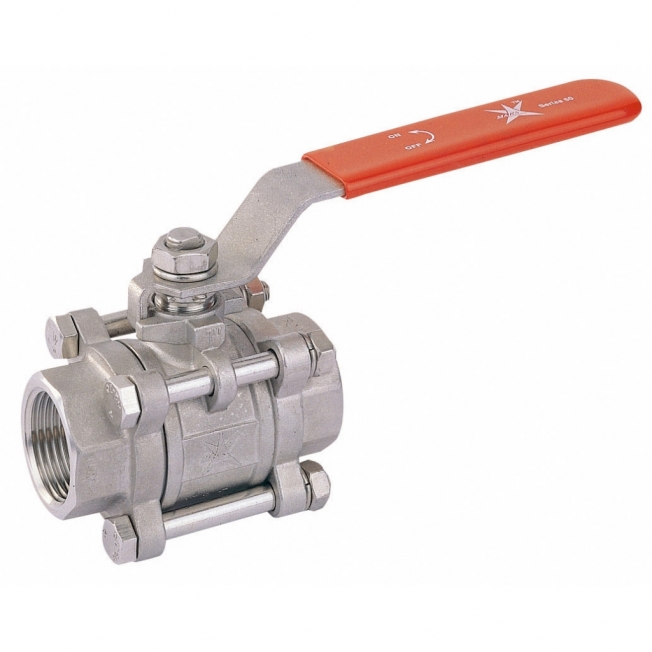
An actuated ball valve is a quarter-turn ball valve fitted with a power-driven actuator. The actuator rotates the stem 90 degrees to align the ball port with the pipeline (open) or perpendicular to it (closed). Packages are supplied as:
Pneumatic operated ball valve assemblies, typically double-acting or spring-return.
Motorised ball valve assemblies using electric actuators for on-off or modulating control.
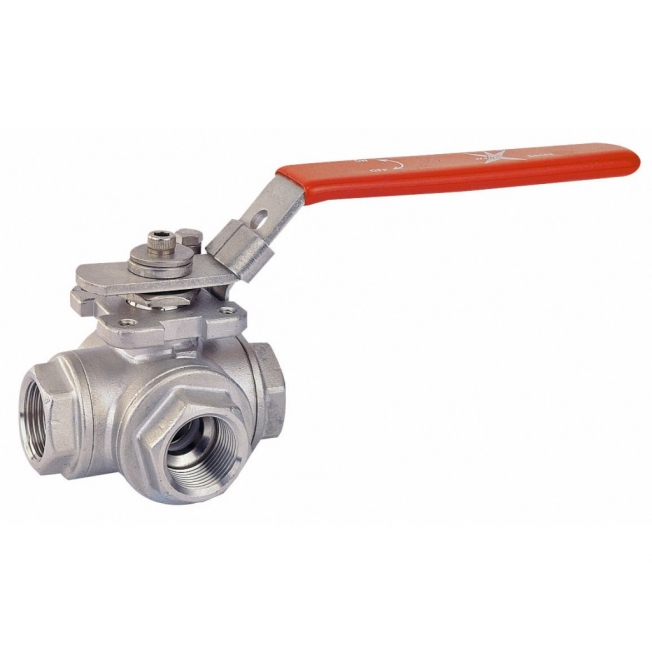
Ball valve types include floating ball valves for general service and trunnion mounted ball valves for larger sizes and higher pressures. Ports can be full bore for minimal pressure drop, V-port for control, or multi-port for mixing and diversion.
The actuator delivers torque to the stem via a coupling or direct-mount drive. A positioner or limit switches provide feedback and control. In pneumatic systems, a rack-and-pinion mechanism converts air pressure into rotational torque. In electric systems, a motor and gear train deliver rotation with end-of-travel limit switches and often a manual override.
For safety, spring-return pneumatic actuators provide a defined fail position on air loss. Electric units can use battery-backup, capacitor return, or a mechanical spring return option where available, but the chosen fail-safe should be validated at specification stage.
Choose based on utilities, speed, duty cycle, and control philosophy.
Pneumatic — fast stroking, high cycle rates, simple control with solenoids.
Pneumatic — spring-return provides clear fail-closed or fail-open behaviour on air loss.
Pneumatic — suited to hazardous areas when paired with appropriate accessories.
Electric — no plant air required, easy wiring and control, good for remote sites.
Electric — strong holding torque and precise modulation with a digital valve positioner.
Electric — duty cycle and ambient temperature must be checked to avoid overheating.
If you already have reliable instrument air, pneumatic often wins on simplicity and fail-safety. If you need stand-alone packages or limited air availability, electric is typically preferred.
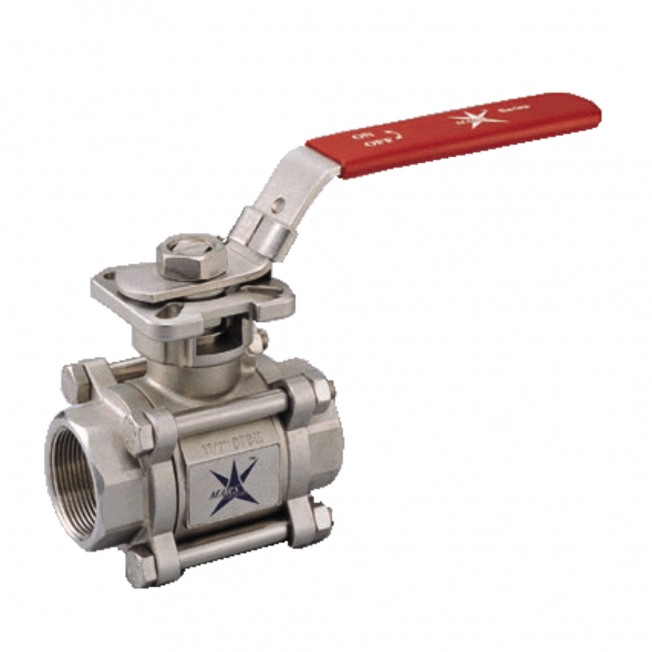
ISO 5211 defines a standardised actuator mounting pad and drive interface. Direct-mount designs, such as the MARS Series 88 three-piece fire-safe valve, allow the actuator to mount straight onto the valve without a separate bracket and keyed coupling. Benefits include:
Better alignment and reduced side loading.
Less backlash and more accurate travel.
Fewer parts to loosen, maintain, or corrode.
Quicker assembly and fewer pinch points.
In practice, direct-mount cuts mechanical play that can show up as deadband in modulating control and can reduce maintenance on high-cycle services.
Confirm the valve build first, then the actuator.
Torque — use manufacturer break-away and running torque data for the exact media, pressure, temperature, and seat material. Apply a safety factor that matches your duty and standards, with extra margin for sticky or particulate service.
Fail-safe position — define fail-closed or fail-open early, based on process risk. Pneumatic spring-return is the most straightforward method; validate the spring size against worst-case torque.
Duty cycle and control mode — high cycle counts favour pneumatic. Electric actuators must be rated for the commanded duty cycle, especially on modulating service; check starts per hour and ambient conditions.
Environment — specify enclosure (IP/NEMA), temperature range, vibration, and corrosion resistance. Consider PFA-lined or corrosion-resistant valves where media demands it, and a cryogenic ball valve with extended bonnet for cryogenic service.
Certification — for fire exposure risk, specify an API 607 and ISO 10497 compliant fire-safe ball valve, and confirm the exact series and test reports align with your approval needs.
Documentation and traceability — require serialised build records, material test reports, pressure test certificates, and actuator wiring or pneumatic schematics to speed site acceptance and audits.
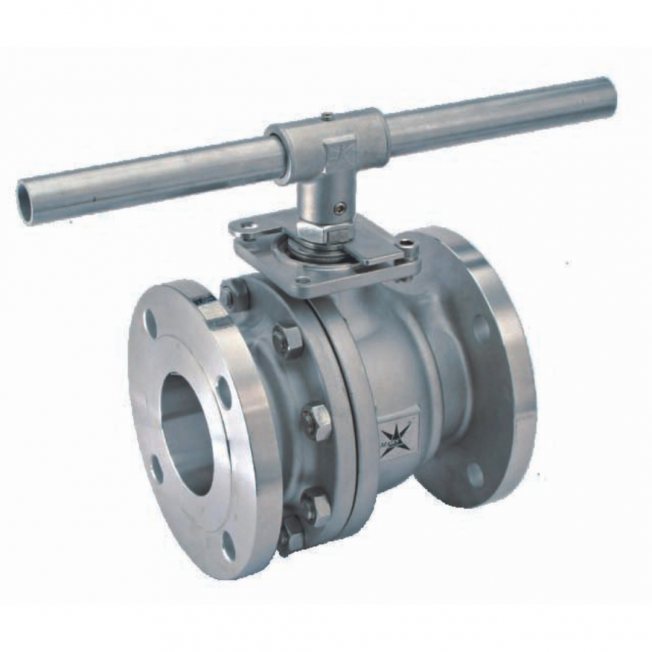
Valve form and porting — full bore for minimal pressure drop, V-port for control, three-way or multi-port valve for mixing and diversion, flanged or threaded ends to match piping.
Accessories — solenoid valves, limit switch boxes, and a digital valve positioner for closed-loop control. Ensure brackets and couplings are ISO 5211 matched when direct mount is not used.
For engineered packages, MARS direct-mount Series 88 with a pneumatic valve actuator or electric valve actuators provides a compact, aligned build with API 607 and ISO 10497 fire compliance on the valve body where specified.
Start from the valve torque curve, not the line size.
1) Determine worst-case differential pressure, media, and temperature.
2) Read the break-away, dynamic, and seating torque from the valve's data for that condition and seat material.
3) Apply a service factor. Typical on-off service may use 1.3 to 2.0; abrasive or infrequent-cycling services can justify higher.
4) Choose actuator output that exceeds the factored torque across the full stroke. For pneumatic, confirm output at your minimum guaranteed air pressure and include spring-return output for the fail stroke. For electric, confirm stall and running torque with duty allowance.
5) Validate speed, fail position, and control accessories against the process and safety case.
When in doubt, request a sizing sheet. Sending medium, pressure, temperature, end connection, and required certification usually yields a precise recommendation quickly.
Emergency isolation on hydrocarbon lines using spring-return pneumatic packages with fire-safe certification.
Utility water and compressed air with electric on-off where air is not present.
Modulating control on heat transfer or blending skids using V-port trims and positioners.
Corrosive chemical duty using CF8M or Duplex bodies and optional PFA lining where applicable.
Actuated ball valves are the dependable way to automate isolation and control, provided they are sized from real torque data, built on ISO 5211 direct-mount interfaces to cut backlash, and documented to the certifications your project requires.
For packaged solutions and verified documentation, explore our actuated ball valve packages or see our process control valve solutions for modulating duty, or speak with technical sales for a matched assembly.
A ball valve with a powered actuator for remote on-off or control, delivering quarter-turn operation without manual intervention.
The actuator applies torque to rotate the stem 90 degrees. Control signals and feedback devices coordinate position and fail behaviour.
Pneumatic double-acting or spring-return, and electric on-off or modulating. Valves can be floating, trunnion-mounted, full bore, V-port, or multi-port.
Match torque with margin, define fail-safe position, confirm duty cycle, check environment and certification, and specify accessories and documentation.
Size from the valve's worst-case torque plus service factor, then confirm output at your real utilities and required speed, including fail action.
More articles
Need a valve, actuator and solenoid supplied as one package? Talk to us about an actuated package.